Brain tumours
The symptoms you have depend on where the tumour is in the brain. As a brain tumour grows, it takes up space inside the skull. This can increase the pressure within the brain (raised intracranial pressure). Other symptoms are more specific, depending on where the tumour is located in the brain.
Symptoms can develop gradually over months or even years if the tumour is slow growing. Or quickly over days or weeks if the tumour is fast growing.
Your skull is made of bone, so there's a fixed amount of space for the brain to take up. If there's a growing tumour, it increases the pressure inside the skull. It might cause the following symptoms:
headaches
seizures (fits)
feeling or being sick
drowsiness or loss of consciousness
problems with your eyes
personality and behaviour changes
Headaches are a common symptom of illness. It's unlikely that you have a brain tumour if headaches are your only symptom. But see a doctor if you have headaches:
with feeling or being sick
when you didn't have them before
that wake you up at night
with eye problems such as seeing flashing lights or blind spots
that got steadily worse over a period of weeks
Seizures are a common symptom of a brain tumour. You may notice jerking or twitching in your hands, arms or legs, or the seizure may involve your whole body.
Having a seizure is very frightening. Different illnesses can cause seizures. If you have a seizure, it is important that you see your doctor or go to Accident and Emergency (A&E) immediately.
You might feel or be sick, especially when you move suddenly. It’s rare for people with a brain tumour to have sickness on its own. You may have sickness with headaches, weakness and problems with your eyes.
You might feel drowsy or even lose consciousness. This might happen because raised intracranial pressure can lower the blood supply to the brain. This can be frightening for you and the people around you.
You might find that your eyesight is getting worse and glasses are not helping. Or your vision comes and goes. You might lose the ability to see out of the corner of your eyes, making you bump into objects on your left or right side. You may also:
have blurred vision
see flashing lights
have tunnel vision
You, or the people around you, might notice that you are confused or that your personality has changed. You may also find it difficult to think normally.
Brain tumours can cause different symptoms depending on where they are in the brain. The main areas of the brain include the cerebrum and the cerebellum. The cerebrum is divided into 4 areas called lobes:
frontal lobe
temporal lobe
parietal lobe
occipital lobe
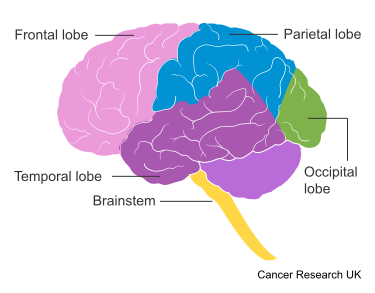
There are also other important areas such as:
brainstem
The frontal lobe controls movement such as walking and is part of your personality. A tumour in the frontal lobe may cause:
difficulty walking
problems with your sight and speech
weakness on one side of the body
changes in personality or behaving in a way that you wouldn’t normally
The temporal lobe is where you process sounds and where you store memories. A tumour in this area may cause:
short term memory loss
difficulty with hearing and speaking
difficulty understanding what people say
difficulty understanding what you are reading
The parietal lobe allows you to recognise objects and stores that knowledge. And helps to coordinate movements.
A tumour in this area may cause:
difficulty speaking and understanding
problems with reading or writing and understanding numbers
loss of feeling in one part of the body
problems with certain movements
The occipital lobe processes what you can see. A tumour located in this area may cause sight problems such as:
changes in vision
difficulty in identifying the colour and size of objects
The cerebellum controls our balance and posture. So a tumour in this area may cause:
problems with coordination and balance
dizziness
sickness
uncontrolled movements of the eyes such as flickering
The brain stem controls important body functions such as breathing. A tumour in this area may cause:
difficulty swallowing and speaking
unsteadiness and difficulty walking
The spinal cord is a long bundle of nerves that stretches from the brain to the lower part of the back. A tumour in the spinal cord may cause pain and numbness or weakness in different parts of the body. You may also lose control of your or bowel.
The pituitary gland makes hormones that are important for your body to function. A tumour in this area of the brain can cause:
weight gain
infertility
mood changes
high blood pressure
high blood sugar levels (diabetes)
The pineal gland makes a hormone called melatonin. This hormone helps your body know when to sleep and when to wake up. Tumours in this area can cause:
headaches
feeling or being sick
tiredness
double vision
unsteadiness when walking
See your doctor if you have any of these symptoms or other changes that are unusual for you or that won’t go away. Your symptoms are unlikely to be cancer, but it is important to get them checked by a doctor.
Find out what to expect when you see your doctor and the tests you might have
Last reviewed: 06 Mar 2026
Next review due: 06 Mar 2029
You usually start by seeing your GP who might refer you to a specialist. Or you might go to Accident and Emergency (A&E) if you suddenly have severe symptoms.
Primary brain tumours are tumours that start in the brain. They can start anywhere in the brain and there are many different types of tumour.
There are many different types of brain tumours. They are usually named after the type of cell they develop from.
To understand brain tumours, it helps to know about the central nervous system (CNS). The CNS includes the different parts of the brain and the spinal cord.
Treatment for a brain or spinal cord tumour depends on the type of tumour you have, where it is and your general health.
Primary brain tumours are cancers that start in the brain. Tumours can start in any part of the brain or related structures.

About Cancer generously supported by Dangoor Education since 2010. Learn more about Dangoor Education



Search our clinical trials database for all cancer trials and studies recruiting in the UK.

Connect with other people affected by cancer and share your experiences.

Questions about cancer? Call freephone 0808 800 40 40 from 9 to 5 - Monday to Friday. Alternatively, you can email us.
