Surgery
The brain and spinal cord are surrounded by a clear fluid called cerebrospinal fluid (CSF). The CSF supports and protects the brain and the spinal cord.
Some brain tumours block the normal circulation of the CSF. The fluid can’t drain away. So it builds up inside the brain and increases the pressure inside the head (intracranial pressure).
This increased pressure can cause symptoms, such as headaches and feeling sick. It can also damage the brain if left untreated.
Treatment for hydrocephalus is usually surgery. There are 2 main types of surgery that you can have:
shunt surgery
endoscopic third ventriculostomy (ETV)
You might have surgery for hydrocephalus at the same time you have surgery to remove your tumour. Or you may have a separate operation.
A shunt is a thin tube that drains away the extra CSF from the ventricles of the brain. The shunt drains the CSF to other parts of the body, where it is absorbed.
Shunts are usually plastic and small, about 0.3cm (3mm) across. They have valves so that fluid can flow down from the brain but not back the other way. Shunts are also called ventricular catheters.
You have shunt surgery under a general anaesthetic. This means that you will be asleep and won’t feel anything. A specialist team of doctors does your surgery. They are called neurosurgeons.
The most common type shunt is the ventriculoperitoneal shunt. This is a tube from the brain ventricles into the abdomen (tummy). Other types of shunts drain the fluid into the chest.
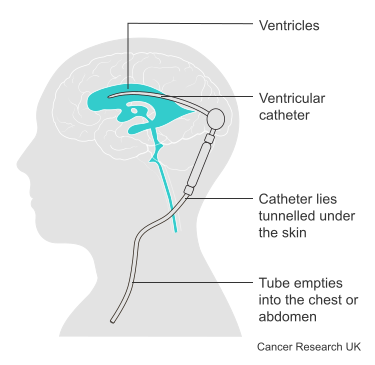
You can’t see the shunt from outside the body. Some people have a shunt for a short period of time and then the surgeon removes it. Others have them for much longer.
The most common problems with shunts are blockage and infection. Shunts that drain into the tummy can also cause a hole in the bowel (perforation), but this is rare.
Doctors don’t know for sure why some shunts become blocked. A blockage may cause symptoms of increased pressure inside the head. Symptoms include:
headaches
feeling or being sick
drowsiness
unconsciousness
neck stiffness
A shunt blockage can be serious. You usually need an urgent operation to replace it.
Shunt infections are more common in the first few weeks after having shunt surgery. If your shunt is infected, you might have:
headaches
high temperature (fever)
a reddening of the skin over the path of the shunt (a red area tracking down your neck and chest for example), but this is rare
You usually have antibiotics if this happens.
ETV involves making a tiny hole inside your brain to allow the extra CSF to drain into another part of the brain, where it is absorbed.
You usually have an ETV under general anaesthetic. This means that you will be asleep and won’t feel anything.
Your surgeon carefully makes a small hole into the skull. They put an endoscope through the hole and into the ventricles. The ventricles are spaces inside the brain filled with CSF.
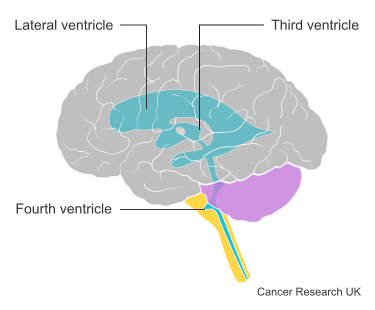
An endoscope is a long tube with a light and a camera at one end. This allows your doctor to see inside the brain and make the tiny hole inside the ventricles.
ETV is a safe procedure and complications are usually rare. Possible problems of ETV include:
bleeding in the brain
damage to other parts of the brain
infection
a hole in the membranes that cover the brain (meninges) which may cause the CSF to leak
It can be upsetting to learn that you have hydrocephalus and need to have brain surgery. Talk to your doctor or cancer nurse specialist about what to expect during an operation to treat hydrocephalus. Ask them about the side effects you might have and the support that will be available to you.
Read about the possible side effects of brain surgery
This page is due for review. We will update this as soon as possible.
Last reviewed: 31 Mar 2023
Next review due: 31 Mar 2026
Surgeons remove all or part of your tumour. There are different ways of doing this.
Primary brain tumours are tumours that start in the brain. They can start anywhere in the brain and there are many different types of tumour.
Treatment for a brain or spinal cord tumour depends on the type of tumour you have, where it is and your general health.
There is practical and emotional support available to help you, your family and your friends cope with a brain or spinal cord tumour.
Survival depends on different factors such as the type, position and grade of your brain or spinal cord tumour.
Primary brain tumours are cancers that start in the brain. Tumours can start in any part of the brain or related structures.

About Cancer generously supported by Dangoor Education since 2010. Learn more about Dangoor Education



Search our clinical trials database for all cancer trials and studies recruiting in the UK.

Connect with other people affected by cancer and share your experiences.

Questions about cancer? Call freephone 0808 800 40 40 from 9 to 5 - Monday to Friday. Alternatively, you can email us.
