Bisphosphonates
You might have bisphosphonates to:
help to prevent or slow down bone thinning (osteoporosis)
treat a high level of calcium in the blood (hypercalcaemia)
reduce pain from cancer that has spread to the bone
treat some types of cancer that cause bone damage
You have bisphosphonates either as tablets or as a drip (infusion) into a vein in your arm.
Another drug called denosumab is a bone targeted treatment. It’s a type of targeted therapy called a monoclonal antibody.
Go to information about denosumab
Most cancers that affect bones are ones that have started in another part of the body and have spread to the bone. This is called secondary bone cancer. The most common types of cancer that spread to the bone are breast, prostate and lung cancer.
Myeloma develops from cells in the bone marrow called plasma cells. Bone marrow is the spongy tissue found inside the inner part of some of our large bones.
Some types of cancer treatment can also affect the bones making them weaker.
Cancers that spread to the bones damage the bones as they grow. The cancer cells that have spread into the bones also release proteins that interfere with the normal bone shaping process. These proteins are cytokines and growth factors.
The proteins stimulate the cells that break down bone (osteoclasts) and make them overactive. So, bone is destroyed faster than it's rebuilt.
This means your bones can become thinner and weaker, causing:
pain in the affected bone
high calcium levels in the blood
an increased risk of breaks (fractures)
Calcium is normally stored in the bones and the breakdown of bone cells releases more calcium than usual into the blood.
Doctors call a high level of calcium in the blood hypercalcaemia. Symptoms of hypercalcaemia include:
feeling thirsty
constipation
feeling sick
feeling drowsy
abdominal pain
bone pain
Read more about hypercalcaemia
To understand how bisphosphonates work, it helps to know a bit about normal bone activity.
Your bones are made of living tissue, and are constantly changing. In healthy bones, specialised bone cells constantly break down and replace bone tissue.
These specialised bone cells are:
osteoclasts, these cells break down old bone
osteoblasts which build new bone
This process is called bone remodelling. There is a very good balance between the rates of bone breakdown and growth, which keeps bones strong and healthy.
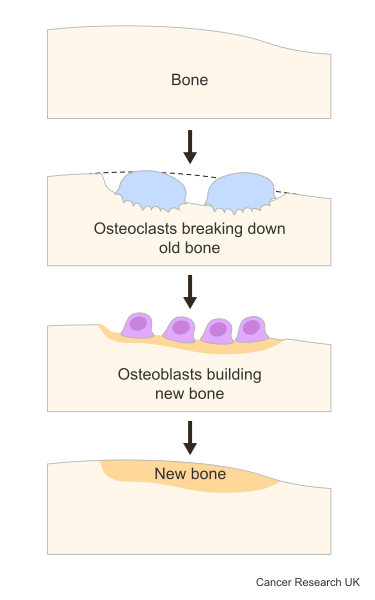
Bisphosphonates are drugs that target areas of higher bone turnover. The osteoclast cells, which break down old bone, absorb the bisphosphonate drug. Their activity is slowed down. This reduces bone breakdown.
There are several different types of bisphosphonates, and they each work slightly differently. Doctors are still learning more about the exact ways in which bisphosphonates work.
We know that bisphosphonates can:
interfere with the formation of osteoclasts
make osteoclasts self destruct or die early
change the signalling between osteoclasts and osteoblasts
form a barrier between the bone and the osteoclast
Researchers have found that some types of bone targeted treatments can:
prevent or slow down the activity of bone disease and improve symptoms in people with myeloma
prevent or reduce bone problems, including for pain relief, in some people with advanced prostate cancer
help reduce the rate of early breast cancer coming back in the bone for some postmenopausal women
help some postmenopausal women with early breast cancer live longer
help to prevent complications from other cancers that have spread to the bones
Cancer cells seem to be attracted to an environment where bones are being broken down. Researchers hope that stopping this process could slow cancer growth and help people live longer, as well as reduce bone damage.
There are several different types of bisphosphonate, including:
disodium pamidronate
ibandronic acid or ibandronate (Bondronat)
sodium clodronate (Clasteon, Loron)
zoledronic acid or zoledronate (Zometa)
You can have sodium clodronate as tablets or capsules. You have ibandronic acid as a drip into your bloodstream (infusion) or as tablets. And you have zoledronic acid and disodium pamidronate as a drip into your bloodstream.
Most of the research so far has looked at using bisphosphonates in secondary breast cancer, secondary prostate cancer and myeloma. The type of bisphosphonate your doctor prescribes for you will depend on the type of cancer you have. You will have one that works for your type of cancer.
Read about these drugs and their side effects on our A to Z drug list
Last reviewed: 09 Jun 2023
Next review due: 09 Jun 2026
Search for the cancer type you want to find out about. Each section has detailed information about symptoms, diagnosis, treatment, research and coping with cancer.
Secondary bone cancer is when a cancer that started in another part of the body has spread to the bones. It is also called bone metastases.
Read more about how cancer might affect the calcium levels in your blood and what this could mean for you.
There are many cancer drugs, cancer drug combinations and they have individual side effects.
Bisphosphonates are drugs that can help prevent or treat bone loss and reduce the risk of fractures. There are several different types of bisphosphonates, and they each work slightly differently.

About Cancer generously supported by Dangoor Education since 2010. Learn more about Dangoor Education



Search our clinical trials database for all cancer trials and studies recruiting in the UK.

Connect with other people affected by cancer and share your experiences.

Questions about cancer? Call freephone 0808 800 40 40 from 9 to 5 - Monday to Friday. Alternatively, you can email us.
