Stem cell and bone marrow transplants
You might have a stem cell or bone marrow transplant as part of your cancer treatment.
It is a treatment for some people who have:
myeloma - cancer that develops in white blood cells called plasma cells
leukaemia - cancer that develops in the white blood cells of the immune system
lymphoma - cancer of the lymphatic system
a myelodysplastic syndrome (MDS) - a group of blood cancers where the bone marrow doesn’t work properly and makes abnormal blood cells.
a myeloproliferative neoplasm (MPN) - a group of rare disorders of the bone marrow that cause an increase in the number of blood cells
myelofibrosis - a rare blood cancer that causes scar tissue to build up inside the bone marrow and blood cells can't develop properly
some types of such as neuroblastoma, a cancer that develops in nerve cells
some other blood conditions
To find out more about a specific cancer, go to our A to Z list of cancer types
A stem cell transplant allows you to have high doses of chemotherapy and other treatments to get rid of cancer cells. The transplant gives you healthy stem cells, either your own or from a donor. These stem cells help your bone marrow to make healthy cells again.
Stem cells are very early cells made in the bone marrow. Bone marrow is a spongy material that fills the bones.
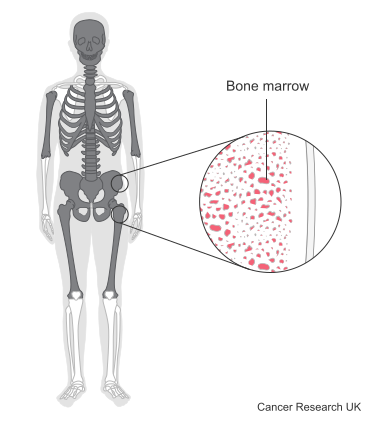
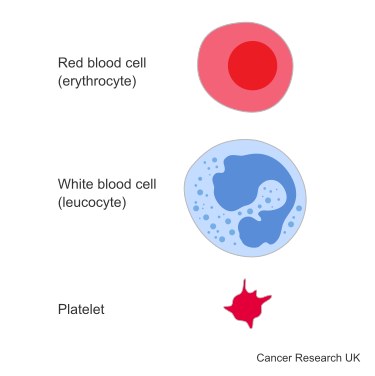
These stem cells develop into 3 different types of blood cells. They are:
red blood cells - contain and carry oxygen around the body
white blood cells - part of your and help fight infections
platelets - help clot the blood and stop bleeding
There are two main types of stem cell transplant.
This transplant uses your own stem cells. It’s called an autologous or autograft transplant.
More information about autologous transplants
This type of transplant uses stem cells from another person called a donor. The donor could be a family member, but not always. This is called an allogeneic transplant, allograft or donor transplant.
More information about allogeneic transplants

To understand how a transplant works, it helps to explain the different stages.
Before your transplant, you have:
health checks and tests to make sure you’re ready for the transplant
medication to help the bone marrow make more stem cells if you are having a transplant using your own cells
Your healthcare team collect either:
your own stem cells - an autologous
transplant
a donor’s stem cells – a donor or allogeneic transplant
Conditioning treatment aims to kill cancer cells, but it also kills the stem
cells in your bone marrow. It usually includes chemotherapy, and sometimes:
targeted cancer drugs
radiotherapy to your whole body (called total body irradiation or TBI)
You usually have high dose conditioning treatment for a transplant using your own stem cells.
There are different strengths of conditioning treatment for a donor
transplant. The 2 main strengths are:
full intensity conditioning (myeloablative or MAC)
reduced intensity conditioning (RIC)
The conditioning treatment causes many of the side effects you might have during a stem cell transplant.
Find out more about the side effects of stem cells transplants
After conditioning treatment, you have stem cells through a drip into your bloodstream. This is similar to having a blood transfusion and is not usually painful. You are awake throughout and your nurse regularly checks your blood pressure and temperature. It can take between 30 minutes and a few hours.
The stem cells find their way to the bone marrow and start making blood cells again. This process is called engraftment, and it usually takes a few weeks. During this time, your immune system is very weak as your bone marrow slowly recovers. Your healthcare team monitors you closely.
The main difference is whether your team collects stem cells from the bloodstream or bone marrow. A stem cell transplant uses stem cells from your bloodstream, or a donor’s bloodstream. This is also called a peripheral blood stem cell transplant. For a bone marrow transplant, your team collects the stem cells directly from your bone marrow, or a donor’s bone marrow.
Stem cell transplants are the most common type of transplant. Bone marrow transplants are not used as much. This is because:
it’s easier to collect stem cells from the bloodstream than bone marrow
your team can usually collect more cells from the bloodstream
blood counts tend to recover quicker following a stem cell transplant
But sometimes it isn’t possible for doctors to collect stem cells from a person’s bloodstream. So they may take the stem cells from the bone marrow instead.
The aim of your transplant will depend on your situation. Your doctor might explain that a transplant will try to cure your disease or control it for as long as possible.
With lymphoma, leukaemia and myeloma the aim is to put the cancer into remission. Remission means there is no sign of the cancer.
Your doctor might suggest a transplant if your cancer:
is in remission but is likely to come back
has not responded to other treatments
Having a stem cell transplant can be a long process. It can take several months to recover, and coping with everything can be difficult. There is help and support available. Tell your doctor or nurse about any problems or side effects you have. Your healthcare team will give you telephone numbers to call if you have any problems at home.
Find out about the emotional, physical and practical effects of cancer and how to cope.
A cancer diagnosis affects family and friends too. It can be hard to know what you can do to help and how to look after yourself.
Find tips and ways to support yourself and someone you love with cancer.
Last reviewed: 16 Jan 2026
Next review due: 16 Jan 2029
This transplant uses your own stem cells to replace blood cells destroyed by high doses of chemotherapy and other treatments.
When you have a stem cell transplant using another person’s stem cells, it is called an allogeneic transplant.
The side effects of a stem cell or bone marrow transplant include infection, bleeding, sickness and diarrhoea.
Search for the cancer type you want to find out about. Each section has detailed information about symptoms, diagnosis, treatment, research and coping with cancer.
Stem cell or bone marrow transplants are treatments for some types of cancer including leukaemia, lymphoma and myeloma. You have them with high dose chemotherapy and sometimes radiotherapy.

About Cancer generously supported by Dangoor Education since 2010. Learn more about Dangoor Education



Search our clinical trials database for all cancer trials and studies recruiting in the UK.

Connect with other people affected by cancer and share your experiences.

Questions about cancer? Call freephone 0808 800 40 40 from 9 to 5 - Monday to Friday. Alternatively, you can email us.
