Stem cell and bone marrow transplants
This page is about an autologous transplant, also called an autograft.
This is different to an allogeneic transplant, which uses stem cells from a donor.
Find out about a transplant using a donor's cells
Your healthcare team usually collect stem cells from your bloodstream. But some people have stem cells collected from their bone marrow.
Read more about stem cells and how a transplant works
There are different steps or stages of an autologous transplant.
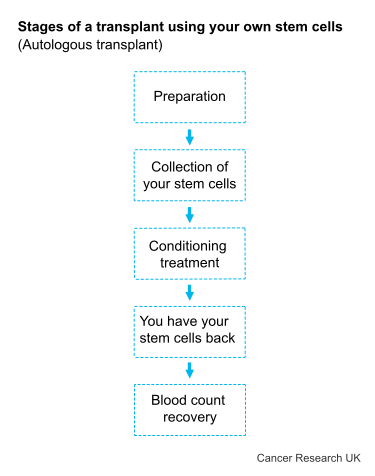
Your healthcare team may work with you to prepare your physically and mentally for your stem cell transplant. This is called prehabilitation or prehab. It focuses on diet, exercise, mental health and lifestyle.
Find out more about preparing for treatment
Before your transplant, you have:
tests to check your general health
a central line put in
a dental check up
growth factors
a fertility appointment, if this is relevant to you
As part of your preparation, you might have chemotherapy to get rid of as many cancer cells as possible. This chemotherapy can also help the bone marrow make more stem cells.
Before you have a stem cell transplant, you have various tests to make sure you are well enough.
Tests you may have include:
blood tests to check your levels of blood cells and how well your liver and kidneys are working
blood tests to check for viruses such as , hepatitis C and
a
tests to look at how your heart is working, such as an , or an
scans, such as a , a or an
A central line is a long plastic tube that goes into your bloodstream. A doctor or nurse puts this line into a vein in your chest. This line stays in place for many months and means you don't need to have needles in your hands or arms each time you have treatment.
Your healthcare team use it to:
give chemotherapy and other treatments
give antisickness medicines and antibiotics
take blood samples
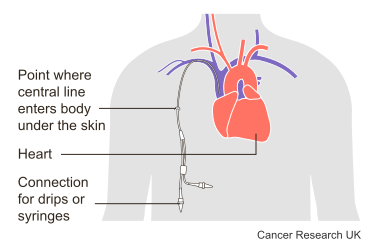
Find out more about central lines
Your treatment could mean it is difficult to become pregnant or get someone pregnant in the future. Talk to your healthcare team if this is a concern for you. You might be able to store sperm or eggs before starting treatment.
For women, treatment can sometimes cause an early menopause. Sometimes it is possible for women to freeze their eggs, embryos or ovarian tissue before starting treatment. But these procedures take time. If you need to start treatment straight away, there may not be time for you to have a fertility treatment.
Men may be able to bank sperm before starting any treatment.
Ask your doctor and nurse if you're not sure about anything. They can explain what your options are.
Find out more about fertility when you have cancer
It’s important to have a dental check up before starting your stem cell transplant. You should also have any dental treatment beforehand, such as fillings, tooth removal, or treatment for gum disease. This is because your immune system will be weaker during treatment, making it harder for your body to fight infections. Even minor tooth problems that seem fine now could become serious during treatment.
You have injections of a growth factor if you are going to have stem cells taken from your bloodstream. You might hear this called G-CSF, which is short for Granulocyte colony stimulating factor.
Growth factors are natural substances that make the bone marrow produce more stem and blood cells. You have these small injections just under the skin.
You have growth factor injections before and after a stem cell transplant. Usually once a day for 5 to 10 days.
Some people have low doses of a chemotherapy drug alongside the growth factor injections. This helps the bone marrow release more stem cells into the bloodstream.
Side effects of growth factors may include:
a high temperature (fever)
pain in your bones and muscles, such as back or neck pain
a low number of red blood cells in your blood ()
feeling or being sick
Stem cells can be collected from your bloodstream or from your bone marrow. It is more common to have them collected from your bloodstream.
You have conditioning treatment after your stem cell collection. You have high doses of chemotherapy and you might have targeted drugs, depending on your type of cancer. Your healthcare team will explain which drugs you are going to have and the possible side effects. You may also have radiotherapy to your whole body. This is called total body irradiation or TBI.
Find out more about total body irradiation
You have chemotherapy and other drugs over about 5 or 6 days. If you have TBI, you might have it at the beginning or end of your chemotherapy.
Find out more about your specific chemotherapy on our cancer drugs A-Z list
Your transplant is when your healthcare team give you your stem cells back. This is called day 0. The day after is called ‘plus 1’, day 2 is ‘plus 2’ and so on.
On your transplant day, you team defrost your stem cells. They give you the stem cells through your central line, into your bloodstream. Before this, your nurse will give you medication to help prevent allergic reactions and reduce any side effects. You may also have fluids through a drip.
The process is similar to having a blood transfusion and is not painful. You are awake throughout and the nurse regularly checks your blood pressure and temperature.
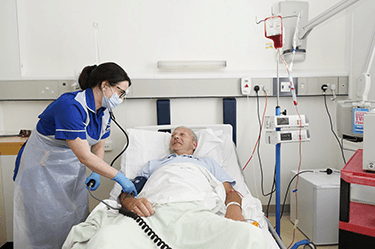
After your transplant, the stem cells travel to your bone marrow and begin making new blood cells. This is called engraftment.
You have regular blood tests to check when your bone marrow starts to make new blood cells. The time it takes for new blood cells to appear (and blood counts to recover) can vary from person to person. This might take 1 or 2 weeks and sometimes longer. It might take 2 to 3 weeks, or sometimes longer.
During this time, you continue to have treatment for any side effects and symptoms. This might include:
antibiotics and antiviral medicines to treat and prevent infection
platelet transfusions if the number of platelets in your blood are low
blood transfusions if your red blood cells are low
medicines help with side effects, such as a sore mouth, diarrhoea and sickness
After your transplant, you have low numbers of blood cells for some time. This means you are at risk of picking up infections.
You may stay in hospital until:
your blood cells have recovered enough to go home
you no longer have any severe side effects
This may take 3 to 4 weeks, although it can vary from one person to another.
Having some treatment as an outpatient is becoming more common. You might be able to stay at home during conditioning treatment and go to the hospital daily for blood tests and treatment. However not all hospitals offer this, and if you are unwell you need to stay in hospital.
Find out more about recovery after a transplant
The possible side effects of a stem cell transplant are mostly caused by high dose treatment and total body irradiation. These treatments lower the number of the different blood cells. Side effects include:
increased risk of getting an infection
tiredness and lacking energy
increased risk of bleeding
sickness and diarrhoea
a sore mouth and difficulty eating and drinking
loss of fertility
Last reviewed: 20 Jan 2026
Next review due: 20 Jan 2029
The side effects of a stem cell or bone marrow transplant include infection, bleeding, sickness and diarrhoea.
Search for the cancer type you want to find out about. Each section has detailed information about symptoms, diagnosis, treatment, research and coping with cancer.
Stem cell or bone marrow transplants are treatments for some types of cancer including leukaemia, lymphoma and myeloma. You have them with high dose chemotherapy and sometimes radiotherapy.

About Cancer generously supported by Dangoor Education since 2010. Learn more about Dangoor Education



Search our clinical trials database for all cancer trials and studies recruiting in the UK.

Connect with other people affected by cancer and share your experiences.

Questions about cancer? Call freephone 0808 800 40 40 from 9 to 5 - Monday to Friday. Alternatively, you can email us.
