Types of children's brain tumours
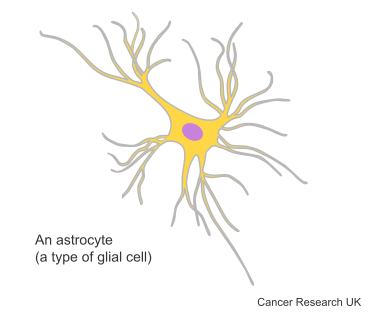
Astrocytomas develop from a type of glial cell called an astrocyte. There are low grade and high grade astrocytomas (gliomas).
Around 175 children are diagnosed with an astrocytoma each year in the UK.
Children can develop an astrocytoma at any age. Boys and girls are equally affected.
Astrocytomas develop from the cells called astrocytes. Astrocytes are star shaped cells. They support the nerve cells (neurones) in the brain.
Some astrocytomas are very localised (focal). This is also known as circumscribed. This means it is easy to see the border between the tumour and normal brain tissue on a scan or during an operation. These types of tumours are more common in children than in adults.
Other astrocytomas are called diffuse. They don’t have a clear boundary between the tumour and normal brain tissue.
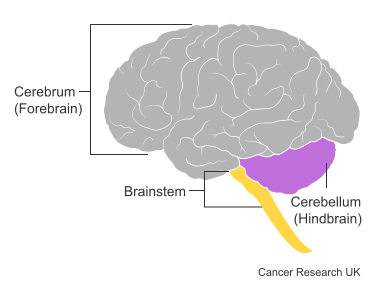
Astrocytomas can start anywhere in the brain and spinal cord including the:
cerebrum (forebrain)
cerebellum (hindbrain)
brain stem
eyesight nerve pathways (optic nerves)
We don’t know what causes most childhood cancers, or how to prevent them. This includes astrocytomas.
We know that there is an increased risk of low grade astrocytoma with a genetic condition called . Around 15 to 20 out of 100 low grade astrocytomas (around 15 to 20%) are linked to NF1.
Because of this, children with NF1 have regular eye checks. This is to check for any sight problems which a tumour in the eyesight nerve pathway could cause.
Find out more about possible causes and risks of children’s cancer
Some children may have symptoms for a few weeks or months before they’re diagnosed with an astrocytoma. This is especially true if they have a low grade, slow growing astrocytoma.
Many symptoms are general and non specific. Some are similar to less serious childhood illnesses. Symptoms include:
headaches in the morning
feeling or being sick – being sick often makes the headaches feel better
double vision
seizures (fits)
Other symptoms depend on where the astrocytoma is in the brain.
Young infants might have an increasing head circumference. A health professional measures this during their well baby check ups. Or the soft spot on top of the skull (fontanelle) might be swollen.
Take your child to the general practitioner (GP) to get checked out if you are worried they have symptoms of a brain tumour.
Find out about symptoms in babies, children and teenagers
The first test your child might have is an .
Your child’s surgeon might take a sample of the tumour (a biopsy) for testing in the laboratory. They take the sample using a needle during an operation.
Your child’s team decides if a biopsy is a safe test, depending on the results of scans. It’s not always possible or necessary to take a biopsy before treatment. This might be due to the position of the tumour in the brain.
For some types of tests, your child might need or a . This is to help them lie still.
Other tests your child might have include blood tests to check their hormone levels. Some astrocytomas can affect the hypothalamus or in the brain. Your child’s doctor will explain this to you.
We have information about tests for children’s brain tumours and how to prepare
There are 3 main types of astrocytomas (gliomas) in children. These are:
circumscribed pilocytic astrocytomas
diffuse low grade gliomas
high grade gliomas
The grade of a tumour shows what the cells looks like under the microscope. It shows whether the cells look similar to normal cells or are very different. It gives the doctor an idea of how the tumour might behave. For example if it is slow or fast growing.
Tumour cells that look similar to normal cells are low grade. These tumours grow fairly slowly and are less likely to spread. Tumour cells that are very abnormal looking are high grade. High grade tumours tend to grow more quickly and are more likely to spread to other areas of the brain and body.
Most astrocytomas in children are low grade.
For each main type of astrocytoma, there are several subtypes – some of which include specific genetic information. For example:
Pilocytic astrocytoma (a type of circumscribed astrocytoma – BRAF KIAA 1549 fusion)
Diffuse astrocytoma, MYB-or MYBL1-altered (a type of diffuse low grade glioma)
Diffuse midline glioma, H3 K27-altered (a type of diffuse high grade glioma)
Pilocytic astrocytoma is the most common type of astrocytoma diagnosed in children.
The of brain tumours is quite complicated. Your child’s doctor or nurse will help explain what type of tumour your child has and what it means.
Find out more about grades of brain tumours in children
Your child’s specialist team decides on the best treatment options for your child. The team will involve you and your child in the decisions about their treatment and care.
Treatment for astrocytoma in children depends on:
the grade of the tumour – if it is fast or slow growing
where the tumour is in the brain
if it is possible to remove the tumour with surgery
how old your child is
if they are having symptoms
Read more about decisions about treatment
The main treatments for astrocytomas are:
surgery
radiotherapy
chemotherapy
Your child might have steroids to help reduce swelling in the brain. This is usually a steroid drug called dexamethasone.
If your child is having seizures (fits), they may start on a medicine to stop these. These are called anticonvulsants.
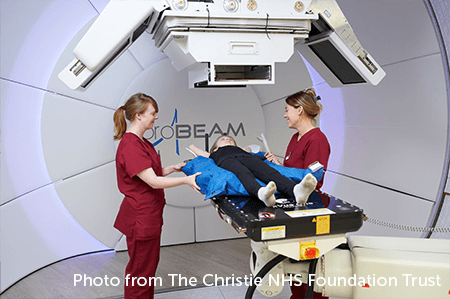
Surgery is the main treatment. Sometimes surgery is not possible. Or the surgeon might not be able to remove all the tumour during the operation.
In this case, the doctors will talk with you about the other treatment options for your child.
Your child might have:
The treatment for a brain tumour that has come back depends on the first treatment that your child had.
Your child's surgeon may be able to operate again. If your child didn't have radiotherapy before, their specialist may suggest it now. If your child has had radiotherapy, they may still be able to have it again. Or their doctor may suggest chemotherapy instead.
Your child’s doctor might suggest they join a clinical trial if it has come back or not gone away with treatment.
The side effects of treatment are different for each child. Some side effects of chemotherapy and radiotherapy happen during treatment and go away once treatment finishes. Other side effects, known as late effects or long term effects, happen months or years after treatment. These can be mild or more challenging. Not all children have challenging long term side effects.
A team of specialists closely monitors your child after treatment finishes. This is to help with any long term side effects.
The side effects of treatment might lead to problems at school or with your child meeting their developmental milestones. Many children have hormonal problems because of where the tumour was in the brain. Your child might have some physical disabilities or seizures after treatment.
We have detailed information on follow up and late effects of children’s brain tumour treatment, what treatments can help and where to get support. There is long term support available from a brain tumour late effects service.
Doctors and researchers do trials to make existing treatments better and develop new treatments. They also want to find ways to reduce the side effects of treatment. Many children have their treatment for a brain tumour as part of a clinical trial.
Read more about clinical trials looking into children’s brain tumours
We have information about where to get help and support when your child has a brain tumour.
Read more about coping and support
This page is due for review. We will update this as soon as possible.
Last reviewed: 05 Jan 2023
Next review due: 05 Jan 2026
Tumours affecting the brain and central nervous system are the second most common type of children’s cancer in the UK. Around 420 children are diagnosed with these tumours each year in the UK.
Brain tumour symptoms can be very similar to those of childhood illnesses. Take your child to the GP if they have any symptoms of a brain tumour.
The main treatments for children’s brain and spinal cord tumours are surgery, radiotherapy and chemotherapy.
We don't know what causes or how to prevent most childhood cancers. There are some factors that can increase the risk of cancer in children.
It is essential that parents and other close family have support. Find out what is availble and who can help.
There are over 100 different types of tumour that can develop in the brain or central nervous system. They are usually named after the type of cell they develop from. Find out more about the different types.

About Cancer generously supported by Dangoor Education since 2010. Learn more about Dangoor Education


Search our clinical trials database for all cancer trials and studies recruiting in the UK.

Connect with other people affected by cancer and share your experiences.

Questions about cancer? Call freephone 0808 800 40 40 from 9 to 5 - Monday to Friday. Alternatively, you can email us.